The most widely researched natural antibacterials include garlic, manuka honey, oregano oil, echinacea and green tea. Used sensibly they can support your immune system and help with minor complaints, but they are not a substitute for prescribed antibiotics when you have a genuine bacterial infection. If your symptoms are severe, spreading or not improving, see a doctor.
Wellbeing Conditions explained
5 Powerful Antibiotics That Don't Require A Prescription
When you have small children you run the gamut of coughs, colds and infections almost constantly. I realized after my third prescription for antibiotics in six months that I needed another way to arm myself and my immune system against all the nasties out there just waiting to bring me to my knees.
Antibiotics are so overprescribed that I know people who have developed immunity to them and that can be really dangerous if you go on to develop an illness that really needs to be fought with modern medicine. I decided that it would make more sense if I used natural methods wherever possible so I looked for changes I could make to my diet.
Echinacea
The first solution I used is probably the most well-known. Echinacea is a favourite of my mother. It has been used for hundreds of years to treat a wide variety of infections including open wounds, diphtheria, blood poisoning, and other bacterial related illnesses. You can now get it in capsule form to treat colds and flu and it even destroys bacteria such as staphylococcus aureus, which causes the deadly MRSA virus.
Manuka Honey
Another solution that my mother swears by is Manuka honey. Applied topically it can kill a wide range of pathogens including MRSA and flesh eating bacteria. What's a bonus is that the treated bacteria do not build up any resistance, unlike when you use pharmaceutical antibiotics.
Other people have suggested that you should use honey that is cultivated in your local area to get the best results. Your local honey contains pollen from the plants and flowers in your area which in turn gives you a natural immunity to your environment. Local honey does tend to contain fewer preservatives, as well. You can also use honey to treat skin and eye infections by applying the honey directly. So for me honey is my top tip and of course it's yummy!
Claim back on your prescriptions
Pick up your Sanitas quote
Spanish prescriptions are not free for everyone. The pharmacy add-on pays back half of what you spend on prescribed medicines, up to €200 a year.
Your saved quote is ready whenever you are. Compare plans and finish in minutes.
- 50% back on prescriptions
Oregano Oil
A new one on me is Oregano Oil. This has been described by some health writers as 'the King of natural antibiotics' mainly because there is plenty of research to prove just how effective oregano oil is. The key antimicrobial ingredient in oil of oregano is carvacrol and you do need to make sure that the one you buy has at least 70 percent carvacrol content if you want it to be effective.
Studies have shown that oregano oil can kill 96% of all pneumococcus bacteria and 92% of all Neisseria, as well as staphylococcus bacteria (the one that causes food poisoning). What is truly amazing is that the Neisseria strain can be responsible for diseases like gonorrhoea or meningitis, so to be able to attack and defeat those infections makes this a truly fearsome antibacterial. Oregano oil can eliminate strep throat, scarlet fever, rheumatic fever, toxic shock syndrome, cystitis, wound infections, and anorexia. Oil of oregano gets rid of the horrible pathogenic bacteria without disrupting any beneficial bacteria in the body, and because it is both antiviral and antifungal you can see that oil of oregano is a dominant three-in-one combination that knocks spots off rival pharmaceutical brands with big price tags.
Garlic
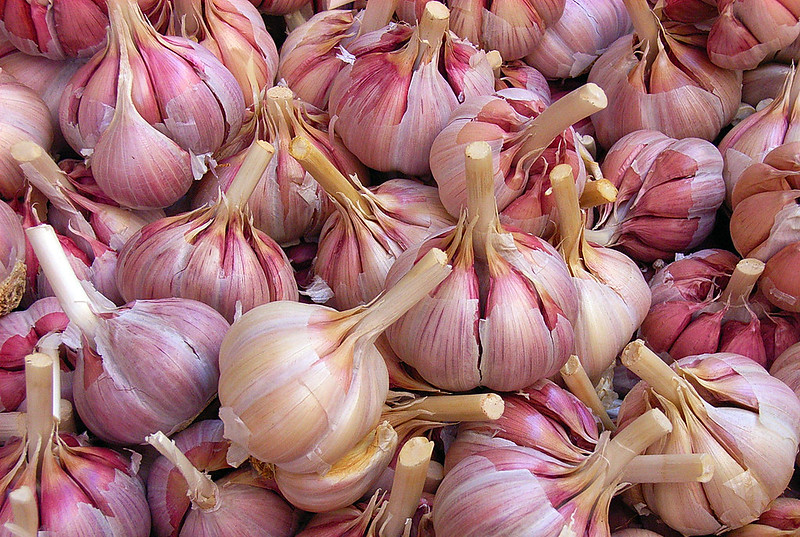
Another natural antibiotic I had forgotten about is of course garlic. Garlic has been used in medicine around the world for thousands of years, and was used especially to ward off plague. Garlic as well as being a natural antibiotic, is an antifungal, and antiviral agent. It contains the minerals potassium and germanium, which are critical to good health, and it also has sulphur compounds, particularly allicin, which is a phytochemical that boosts the immune system. Garlic is very high in natural antioxidants that destroy free radicals, and that supports a strong immune system. You can buy the organic bulbs from the supermarket and throw it into all of your favourite stir fries, soups, stews and pasta dishes, or if you're brave enough you can eat it raw, or slice it and steep it in a tea. Researchers think that certain plants similar to garlic may also have antibiotic properties, such as chives, onions, leeks and shallots, so you could try increasing your intake of these – they won't harm you.
Green Tea
I have recently become a complete convert of green tea. Green tea has so many health benefits because it is absolutely loaded with antioxidants and nutrients that have powerful effects on the body, including improving brain function, fat loss, and lowering the risk of cancer. One of the active ingredients in green tea is epigallocatechin gallate (otherwise known as EGCG), and it is this that has been identified as an effective agent against certain strains of oral bacteria. It really is a great natural antibiotic to add to your daily diet. For best results, be sure to swish it around in your mouth.
Other natural antibiotics you might want to check out include olive leaf extract, cloves, turmeric, lemons, and Colloidal silver.
Remember these are natural, complementary options. For real infections you need a doctor’s prescription – see our guide on buying antibiotics in Spain and whether a pharmacy can supply them.
Photo credit: christing-O- and Joe Shlabotnik cc
Frequently asked questions
What is the strongest natural antibiotic?
Garlic (which contains allicin) and oregano oil (rich in carvacrol) are among the most cited natural antibacterials, along with manuka honey for topical use. The evidence is mostly from laboratory studies, so they are best seen as immune support rather than a cure for a serious infection.
What is the closest thing to a natural antibiotic?
The closest everyday options are garlic, manuka honey and oregano oil, which show antibacterial activity in studies. For minor issues a pharmacist can also suggest over-the-counter remedies. None of these replace a real antibiotic prescribed by a doctor.
Can natural antibiotics replace prescribed antibiotics?
No. For a genuine bacterial infection you need antibiotics prescribed by a doctor; natural options are complementary at best. In Spain antibiotics are prescription-only – see our guide on buying antibiotics in Spain.
Are natural antibiotics safe?
Used in normal food or supplement amounts they are generally safe for most people, but concentrated products such as oregano oil can be strong, and some can interact with prescription medicines or are not suitable in pregnancy. If you take regular medication or are unsure, check with a doctor or pharmacist first.
More in Conditions and treatments explained 26 guides
 Natural Remedies for Frozen Shoulder Pain
 What Is A Colonoscopy?
 10 Foods That Can Help Fight Cancer Naturally
 Polypharmacy: Managing Multiple Medicines Safely in Later Life
 Five Habits That Can Significantly Accelerate The Ageing Process: How To Slow Down The Clock
Read next


Reviewed by Sean Guy, authorised Sanitas agent (agent code 22395) and DGSFP-registered insurance mediator (C0320X5769518Z), Marbella.
Written by the HealthPlan Spain team: English-speaking Sanitas health insurance specialists, helping expats in Spain get the right cover since 2011. Authorised and regulated by the DGSFP.