We all love to drive, however, if you are new to driving in Spain, you may find that some of the rules are different from what you may be used to in your home country.
Living in Spain Licence and road rules
When You Can Use Your Car Horn in Spain

When it comes to using your car’s horn, there are only a few scenarios in which it is legal to do so.
For example, you may think you can use your horn to warn the vehicle in front that the lights have turned green, but this would be illegal under Article 110 of Spain’s General Traffic Regulations.
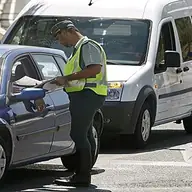
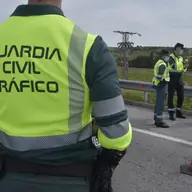
Fortunately for us, the country’s Guardia Civil recently took to their social networks to advise of the ONLY three scenarios in which you should be using your horn. Using your horn for any other reason can result in a penalty fine of up to 200 euros.
So when can you legally use your horn?
- To warn of a potential accident - If you need to beep your horn at another driver to warn of an impending accident, this is acceptable under Spanish law.
- To warn another driver that you are overtaking - Another acceptable reason to be using your horn is to warn another driver that you are overtaking them. If you feel the car in front is not aware you are there and are driving erratically, you are free to warn them of your presence prior to overtaking.
- To warn that you are urgently taking someone to hospital - This one may surprise but Spain’s motoring regulations say that you may use your car’s horn in the event that you are urgently transporting a sick person to the hospital.
There is another scenario in which you should not use your horn which is when you see an R-319 sign. This sign is round with a red outer ring and a horn in the middle which has a line through it.
These can normally be found near hospitals and nursing homes and places where noise pollution is particularly unwelcome. Be extra careful if you see one of these signs as you could be fined up to 200 euros for using your horn here.
Using your horn in scenarios other than these is a violation of the traffic code and subject to a fine and possible penalty points.
Although it is uncommon to be fined for this, as officers would need to be present to witness you using your horn incorrectly, it is still possible that you could be fined so be careful.
#SabíasQue el claxon solo se puede usar para:
— Guardia Civil ???????? (@guardiacivil) November 23, 2022
☑Evitar un accidente
☑Avisar de un adelantamiento
☑Transporte urgente al hospital?
En otros casos, te puede costar una multa.#SeguridadVial #ViajeSeguro pic.twitter.com/nfsj52NrrM
Fines of up to 200 euros
So how much can you be fined for using your horn incorrectly?
According to traffic regulations, using your car’s horn without good reason can result in a fine ranging from 80 to 200 euros.
Some of the main reasons for being fined are:-
- Using acoustic signals with shrill sound: €80 fine
- Use of acoustic signals without legal reason: €80 fine
- Failure to obey the signal prohibited to output acoustic signals (R-310): €80 euros
- Driving a vehicle with special acoustic signals without this vehicle having a priority character, it concerns a special vehicle or special transport: €200 fine
- Driving a non-priority vehicle with special acoustic signaling devices: €200 fine
So there you have it.
Think twice before you use your car’s horn in Spain as you could potentially be hit with a hefty fine.
Road accidents are normally excluded
Pick up your Sanitas quote
Most health policies will not treat you if you are hurt on the road or at work. Top Quantum and Professional plans include it free.
Your saved quote is ready whenever you are. Compare plans and finish in minutes.
- Free on Top Quantum
- Free on Professional plans
More in Driving licences and road rules 38 guides and 1 article
 Handling A Speeding Ticket In Spain Without Photo Evidence: Your Rights Explained
 The Apps You Need To Download On Your Mobile Phone To Avoid DGT Speed Cameras In Spain
 Driving With The Wrong Licence In Spain: Understanding The Consequences And Risks
 Cycling In Spain: 80 Euro Fine For Not Using A Bell
 How Spanish Authorities Identify Drivers Who Ignore Stop Signs
Read next

Reviewed by Sean Guy, authorised Sanitas agent (agent code 22395) and DGSFP-registered insurance mediator (C0320X5769518Z), Marbella.
Written by the HealthPlan Spain team: English-speaking Sanitas health insurance specialists, helping expats in Spain get the right cover since 2011. Authorised and regulated by the DGSFP.